
Eco friendly fashion goes beyond the items you buy (or choose not to buy.) It’s about applying a sustainable approach to every step of the garment life cycle.
Our eco friendly laundry tips will extend the life of your favorite garments. Otherwise, they may end up in a landfill after a few months of wear. In short, taking care of your clothes with an eco mindset means:
- Gentle washing that doesn’t waste energy or contaminate water
- Steaming rather than ironing
- Proper folding and storage
- Eco friendly ways to discard unwanted clothes
Of course, the ultimate goal is to live more consciously. Reduce the number of new items you buy, and extend the lifecycle of those you have.
How do you do that?
This article is your comprehensive guide to eco friendly laundry care. Let me show you:
How Often Should I Wash My Clothes?
The most straightforward rule here is the less you wash your clothes, the better. Too frequent washing can wear out your items and lead to significant energy and water waste.
Of course, the idea isn’t to wear dirty clothes, but rather to only wash when needed.
The closer to your skin a garment sits, the more washing it will need. But, items like jackets only need spot cleaning and very occasional cool water washing.
The activity matters, too. Activewear absorbs sweat; your hiking shoes get dirty with mud, etc.
But, there are ways to reduce washing even for the garments that are easiest to get dirty. Choosing antimicrobial fabrics is an excellent way to do that.
Some natural fibers like merino and alpaca wool repel microbes and need far less cleaning. You can essentially treat them like a rug, only spot cleaning if they get a stain.
Rather than washing them excessively, shake them gently and air them out after use. This gentle treatment gets rid of dirt, dust, and unpleasant smells, without damaging the fiber.
There are also manufactured treatments to prevent bacterial growth and reduce odor. Antimicrobial solutions like Polygiene use silver ions to keep bacterial growth at bay.
Both synthetic and natural antibacterial fabrics get dirty less and need less washing.
But, even if your clothes don’t have any unique antimicrobial treatments, consider spacing out washes. Not only does this save water and electricity, but it also prevents fabric damage from long wash cycles.
Instead of throwing clothes in the wash after every use, try airing them out overnight, spot cleaning, or using a steamer to refresh the fabric.
Eco Friendly Laundry
While reducing clothes washing is possible, you can’t avoid it altogether. Here is how to do laundry with minimal impact on the environment:
Get an Efficient Washer
Your washing machine can make all the difference.
A top-load machine consumes as much as 54 gallons of water per wash and requires more energy to heat up. High-efficiency front loaders can use as little as seven gallons. They will also save you hundreds of dollars in energy bills.
Energy-efficient machines treat clothes more gently. They make fabrics last longer and reduces microplastic shed. The latter is crucial when it comes to synthetic materials. A single wash cycle can release over 700,000 microscopic fibers, by some estimates, which are major water pollutants.
Choose Cold Water
Washing clothes takes electricity and a lot of it. But did you know that up to 90% of that energy goes towards heating up water?
The good news is cold water washing is as efficient. In general, the darker the fabric, the colder the water you should use. Cooler water protects the color, keeps material from breaking down, and saves electricity.
Reducing the temperature from 30 to 40 degrees reduces energy consumption by 60%. It’s a simple change with a significant impact.
Pick an Eco Friendly Laundry Detergent
By choosing cleaner, non-toxic detergents, you protect the environment and keep your family healthy.
Choose products without phthalates, phosphates, and non-biodegradable surfactants. They pollute the environment by making their way into run-off water. We wrote a full guide on what ingredients you should avoid and our top picks for natural detergents worth your money.
The ‘Safer Choice’ label is a great certification program to look for. Though it focuses on human and pet safety, it’s also a way to ensure you’re buying toxin-free products, which won’t contaminate the environment.
When it comes to the type of detergent you choose, there are several ways to go greener.
Natural options like soap nuts are an excellent choice. They wash your clothes with 100% biodegradable, non-toxic saponin. As a bonus, the saponin tastes terrible to insects, so growing the soap nuts requires minimal pesticides.
You might be tempted to make your own laundry soap, but it turns out it’s not a great idea after all. The soap will leave residue on your clothes and can even ruin your washing machine.
What about store-bought natural detergents? You can choose liquid, powder, or pods. Each has positive and negative sides.
Fillers, or builders, in laundry detergent make it more pourable and dissolve better. Liquid detergent in itself is better than powder because the filler is water rather than a dust particle like sodium carbonate. Some solid fillers may also be damaging to ecosystems once they enter the waterways.
Yet, liquid detergent comes in a plastic bottle. Recycling detergent bottles is more difficult because of residue left on the bottles. It may lead to downstream contamination.
Laundry pods are a solid choice unless each comes in an individual plastic package. Also, look for pods without fabric softener.
In general, avoid fabric softeners as much as possible. Not only do they contain hazardous chemicals, but they can even clog up your washing machine. Most conventional softener brands contain some hard-to-wash-off fat.
After the Wash
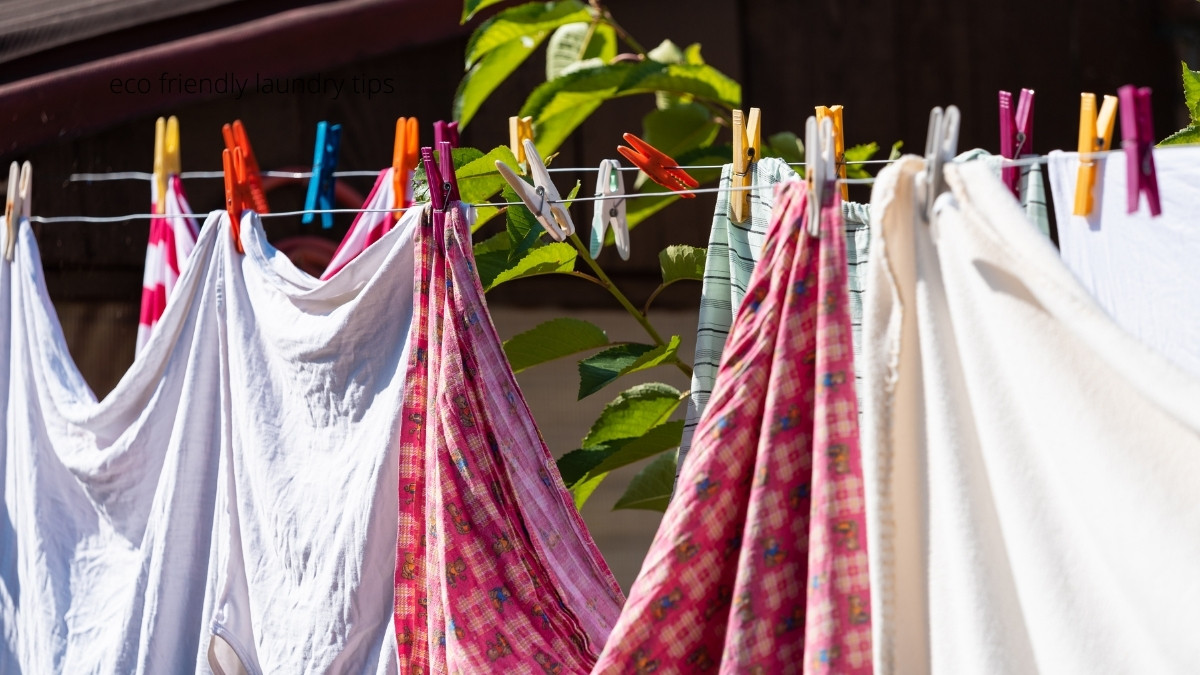
Once your clothes are out of the washer, choose air-drying. It reduces energy consumption and protects your clothes from the heat of the dryer.
If you must use the dryer, steer clear from dryer sheets. Most contain non-biodegradable materials and questionable fragrance chemicals. Some of which are under investigation for their harmful effects on human health.
Finally, when it comes to getting rid of wrinkles, steaming will always be better than ironing. Since the heat doesn’t come in direct contact with the fabric, steaming protects the fibers from breaking and helps your clothes last longer. It’s also much better for delicate materials like silk. Portable steamers are way more convenient if you travel often.
Synthetic Fabric Washing
When it comes to artificial fabrics, there is an extra concern that comes into play.
Synthetic fabrics are usually made out of tiny plastic fibers. These miniature plastics are thinner than human hair, and they break down very quickly, especially when you apply heat.
When you wash a fabric like polyester, tiny plastic particles break off the garment and make their way into the water.
These microplastics can have a devastating impact on the environment. The zooplankton ingests them mistakenly, and from there, the plastic makes its way up the food chain.
The ingested microplastics can leak toxic chemicals into the tissues of marine animals. This causes damage to every system in their bodies, from blocked digestive tracts to altered behavior.
The plastic shed is inevitable with synthetics, even if you choose recycled garments. But, these “second life” fabrics give off less plastic than virgin material. Producing them also contributes to environmental sustainability in other ways.
When it comes to washing synthetic fibers, aim to cut back.
Try and choose synthetic fibers only if you must, opting for items that aren’t washed frequently. Supporting sustainable brands like Patagonia also helps mitigate the environmental impact.
You can also look into plastic-containing washing bags, such as the Guppyfriend bag. Created by German NGO STOP!, it reduces fiber shedding and contains the microplastics that break off.
Store Your Clothes to Make Them Last
Eco-friendly clothing care aims to protect your clothes so that they can last longer. And it’s more than worth it. Increasing a garment’s lifecycle by just nine months reduces its carbon footprint by 20-30%.
When it comes to storage, the first thing to do is clean the clothes before putting them away for the season. It can be tempting to fold and forget your knits come spring, but the daily grime can weaken the fibers and attract fabric-damaging insects.
Make sure to also de-pill the sweaters before storing them away. Start by hand and move on to a fabric defuzzer for the trickier areas.
Now that the garments are clean and defuzzed, it’s time to fold them and put them away. Never hang a knit item as it stretches them out quicker than expected. Opt for storage bags made from natural materials. For example, these bento clothing bags are made from linen.
Finally, going back to the insects, resist the urge to buy a conventional pest repellent. Instead, tuck in cedar balls or lavender sachet to keep the bugs from snacking on your clothes.
Repair Don’t Throw Away
Sewing and mending skills go a long way when it comes to preserving your clothes longer.
Even simple tasks like sewing on a button will come in handy. Do them whenever you notice an issue. For instance, if you see a seam is starting to rip, sew it back before it gets a chance to break down completely. And never wash a damaged item before repairing it.
Complex fixes and alterations are better left to the professionals. Still, even at the extra cost of paying a tailor, it’s a better option than buying a new item.
A significant part of sustainable fashion is shifting away from a consumerist lifestyle. Rather than buying cheap clothes every season, treat your items as investment pieces. Save up and spend a bit more on a quality garment, then look after it. It will keep clothes out of the landfill and reduce the impact of overproduction.
Get Rid of Unwanted Clothes Without Harming the Environment)
As much as we want to make our clothes last, sometimes it’s time to say goodbye to items. Style preferences change, fabric wears out, or your size may change.
Start by considering if your item is still wearable. If so, give it away rather than tossing it. Friends and family members will be happy to receive a new piece. Charity shops are also always looking for donations.
Repurposing old items is another solid option. There are hundreds, if not thousands, of projects you can make with an old garment. A single Pinterest search is enough to find lots of ideas.
For items beyond repair, look for recycling programs. Large brands like H&M and The North Face have championed these initiatives. You can also find item-specific local programs on your municipality website.
If you have a large number of items, Terracycle offers an excellent solution. Their zero-waste box accepts a wide range of fabrics and clothing.
Order the box on the website and fill it up with your waste. Terracycle will sort, reuse, and recycle the fabrics, ensuring none of them end up in landfills.
Conclusion
Eco friendly clothing care isn’t a single action you take. Instead, it’s a sustainable mindset and approach toward the items you wear, from proper, energy-saving washing to repairing clothes instead of throwing them out. There are plenty of steps you can take to make your fashion choices more sustainable.
Ultimately, you can’t buy your way into eco-friendliness. With proper care, items last longer, and that’s the goal we should all have. The less we consume, the lower our environmental impact, and the happier our wallets.
The best thing about eco friendly clothing care is it doesn’t have to be complicated or cost a lot. It will usually end up saving you money. And, you will keep your favorite garments longer so you can wear them for years.
Finally, remember, this isn’t an all-or-nothing situation. Even by reducing the washing temperature, you can have a significant impact.
What is your favorite clothing care tip? We would love to hear it in the comments below!